The United States has let its waiver on sanctions concerning Russian oil transactions expire, signaling a possible increase in pressure on Moscow amid ongoing international tensions. This development coincides with the U.S. advancing a new agreement with Iran, aimed at stabilizing global energy markets. Previously, the waiver allowed limited seaborne oil transactions with Russian companies like Rosneft and Lukoil, despite broader sanctions. The expiration of this waiver is part of the Trump administration’s broader strategy to restrict Russia’s oil revenue, which has been a significant topic due to the conflict in Ukraine.
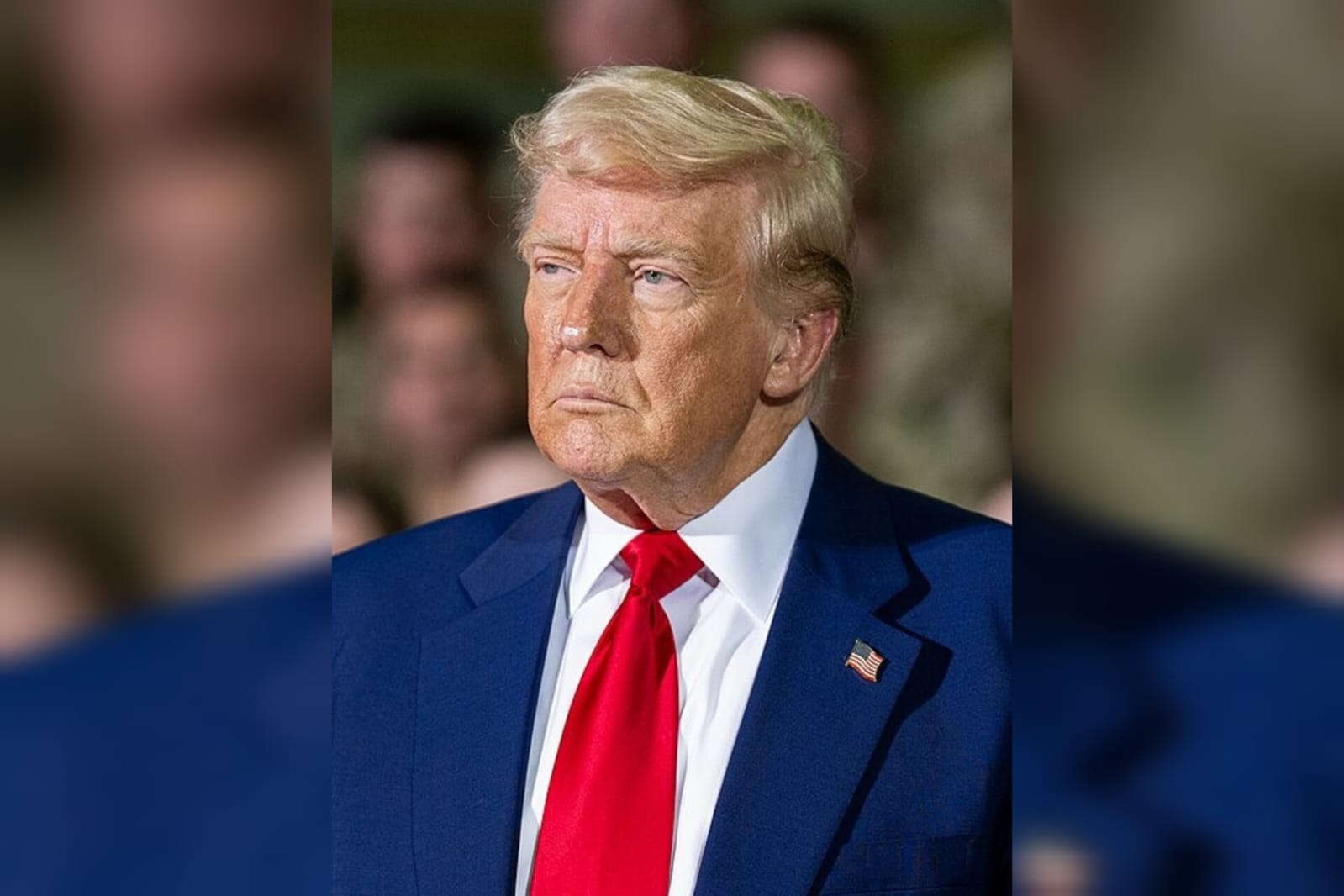
While U.S. officials have not confirmed whether the end of the waiver means a full reinstatement of sanctions, recent statements suggest a shift toward stricter enforcement. President Donald Trump has associated this decision with declining global oil prices, suggesting that increased oil supply from the Middle East lessens the necessity for such exemptions. This move aligns with other strategic energy market decisions, underscoring a potential pivot in U.S. policy regarding global oil supply and geopolitical alignment.
In tandem with the waiver’s expiration, the U.S.–Iran agreement is poised to reintroduce Iranian oil into global markets under a framework of reduced sanctions and a 60-day negotiation period. This agreement is part of a broader realignment of energy policy, aiming to reshape global supply dynamics and mitigate price volatility. The anticipated return of Iranian oil exports is expected to gradually increase market availability, although analysts warn that restoring Iran’s full production and shipping capacity will require time.
The potential increase in Iranian oil exports, coupled with tighter restrictions on Russian oil, could substantially alter the global oil landscape in the coming months. This combination of factors is likely to affect global oil balances, with significant implications for energy markets and geopolitical strategies. While the White House has not confirmed any additional sanctions, officials have indicated that future decisions will consider the interplay of energy prices, market stability, and geopolitical outcomes.