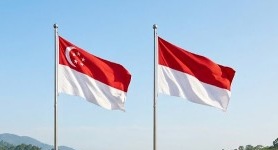
Singapore and Indonesia have entered into an agreement to enhance their collaboration in the areas of nuclear security, radiation protection, and emergency preparedness. This strategic partnership was formalized with the signing of an agreement on June 30 in Jakarta between Singapore’s National Environment Agency (NEA) and Indonesia’s Nuclear Energy Regulatory Agency. The focus of this collaboration will include radiation monitoring, the establishment of regulatory policies, nuclear safety training, staff exchanges, research efforts, and technical discussions.
According to NEA Chief Executive Benjamin Koh, this new agreement strengthens the existing long-term cooperation between the two nations and aids Singapore in its assessment of nuclear energy as a potential component of its future energy strategy. Beyond electricity generation, the deal also encompasses the exploration of nuclear applications in healthcare and agriculture, as well as the implementation of nuclear security measures to safeguard facilities from threats and harmful activities.
In preparation for a 2027 evaluation by the International Atomic Energy Agency, Singapore is positioning itself to determine its capability for informed decision-making regarding nuclear energy deployment. Meanwhile, Indonesia, with its more established nuclear expertise, is setting its sights on achieving around 500 megawatts of nuclear capacity by the early 2030s. This partnership is poised to enhance regional cooperation through initiatives like the ASEAN Network of Regulatory Bodies on Atomic Energy, which facilitates information sharing and improves preparedness for potential radiological emergencies.
Prior to this nuclear agreement, Singapore and Indonesia signed a separate environmental cooperation deal on June 29. This earlier agreement aims to tackle a range of issues including cross-border pollution, waste management, climate change, and air and water quality. Officials from both countries have also expressed concerns regarding the potential return of the El Niño climate pattern, which could exacerbate environmental challenges such as haze and drought conditions across Southeast Asia.