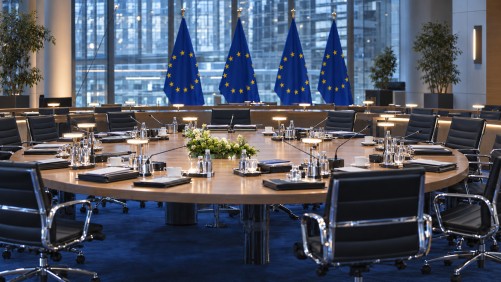
The European Union’s upcoming budget negotiations could significantly impact member states’ economies, as ministers grapple with funding priorities and new revenue sources. With a proposed budget of €1.9 trillion for 2028–2034, the EU faces contentious discussions on allocating resources while balancing fiscal responsibilities.
At the heart of the debate are divergent views among member states. Countries like Germany, Denmark, the Netherlands, Sweden, and Austria are advocating for cuts, while others aim to preserve funding for agriculture and regional cohesion. This budget period also sees the EU beginning to repay post-Covid recovery loans, necessitating €24–€25 billion annually from 2028.
Amidst these financial pressures, the European Union is exploring new revenue streams to bolster its budget. Proposals under consideration include redirecting carbon-related levies, taxing large companies, and imposing duties on tobacco and electronic waste. These measures could collectively generate approximately €44 billion each year, according to the European Commission. Additionally, discussions include potential taxes on cryptocurrencies, large tech firms, and gambling, although these require unanimous approval from all member states.
As the EU’s presidency-holder, Ireland is tasked with navigating these complex negotiations, aiming to draft a consensus framework before the October EU leaders’ summit. Agreement on the budget is a priority for Ireland’s presidency, which seeks to strike a balance between fiscal responsibility and sustaining critical funding areas.
In a separate but related economic development, the EU and the Philippines are nearing the conclusion of a long-anticipated free trade agreement. This accord, years in the making since initial talks in 2016, promises to reduce tariffs on over 97% of bilateral trade. With EU-Philippines trade in goods valued at €17.6 billion last year and services trade reaching €10.3 billion in 2024, the agreement could enhance economic ties significantly.