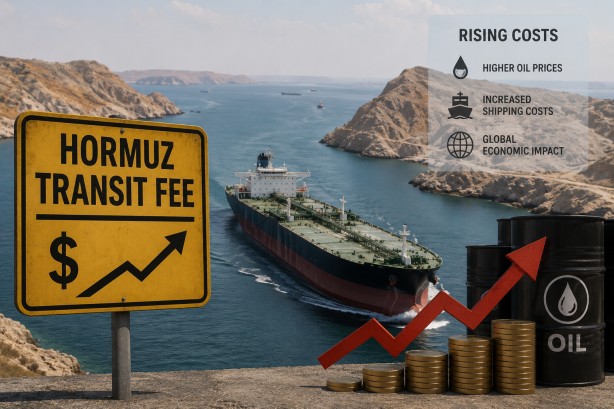
Iran and Oman have put forward a proposal to levy transit fees on ships navigating the Strait of Hormuz, a move that could notably impact the global energy trade. The suggested fee is approximately $1 per barrel of oil transported through this strategic passage. Given the current market price of Brent crude at around $86 per barrel, this fee would constitute about 1.2% of the oil’s value.
The Strait of Hormuz is a critical artery in global shipping, facilitating the transport of nearly 20% of the world’s oil consumption. Analysts predict that the proposed transit fee could generate roughly $6.8 billion annually, surpassing the revenue from the Suez Canal’s transit fees based on existing shipping volumes. While the fee might seem marginal, experts caution that it could eventually lead to increased costs for fuel, aviation, freight, and imported goods globally.
Proponents of the fee argue that establishing a transparent charge could be more economically viable than dealing with disruptions or temporary blockages of the Strait, which have historically led to spikes in energy prices and market instability. Nevertheless, there are concerns about the long-term stability and enforceability of such an agreement.
The potential for increased transit costs is prompting Gulf nations to explore alternative export routes. The United Arab Emirates, for instance, is investing in pipelines and ports outside the Strait of Hormuz, while Saudi Arabia is expanding its use of the East-West pipeline to lessen its dependence on the Strait. Analysts suggest that these infrastructure developments could gradually decrease the volume of oil passing through the Strait, potentially reducing the long-term revenue from any future transit fees.