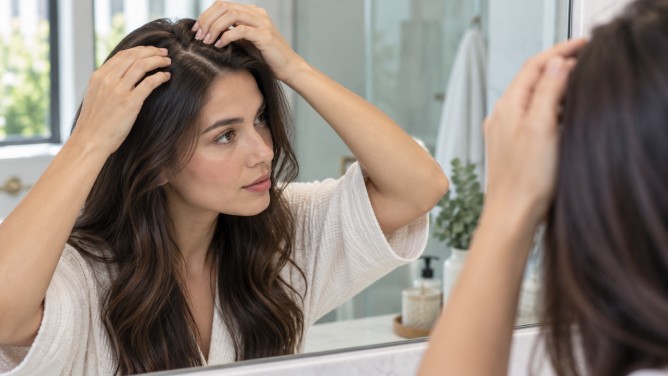
Maintaining a healthy scalp is crucial for the overall health of your hair, even if your hair appears clean. The scalp, which supports hair growth, can show signs of distress that are often overlooked. By recognizing these signs, individuals can adjust their haircare routines or seek professional advice when necessary.
One of the key indicators that your scalp may require attention is experiencing tightness or stinging after washing. This discomfort could be a sign of irritation or a disrupted skin barrier, often caused by harsh shampoos or frequent washing. Opting for a gentle shampoo and avoiding products that trigger discomfort can help alleviate these symptoms. Persistent irritation should be evaluated by a dermatologist.
Flakes that keep returning are another warning sign. While occasional flakes might be due to dryness, consistent dandruff could suggest conditions like seborrhoeic dermatitis, unrelated to cleanliness. If flakes are accompanied by redness, itching, or greasy patches, using an appropriate anti-dandruff shampoo might help. Severe or persistent symptoms warrant a medical assessment.
Rapidly oily roots can also signal an imbalance, although oil production is a natural protective function of the scalp. If your hair feels greasy shortly after washing, reconsider your cleansing routine and choose products suitable for your scalp type. Avoid over-washing or harsh scrubbing, as these practices can exacerbate oiliness.
A heavy or coated feeling around the roots might result from leftover styling products, excess sebum, or incomplete rinsing. Moderating the use of styling products and ensuring thorough rinsing can mitigate these sensations. If residue-like feelings persist, especially with itching or redness, further evaluation may be necessary.
Noticeable changes in hair shedding, such as increased hair loss, a widening part, or bald patches, should not be ignored. Shedding can be influenced by factors like stress, hormonal changes, or medical conditions, and scalp inflammation can contribute to hair loss. It’s important not to solely blame haircare products for shedding and to consult a dermatologist for a comprehensive assessment.
To foster a healthier scalp, individuals should wash their hair based on their scalp’s needs, choose gentle products, and avoid those causing irritation. Rinsing thoroughly and avoiding excessive scratching can prevent further scalp issues. Professional advice should be sought for persistent symptoms like itching, redness, or unusual hair loss, ensuring that any underlying conditions are properly addressed.