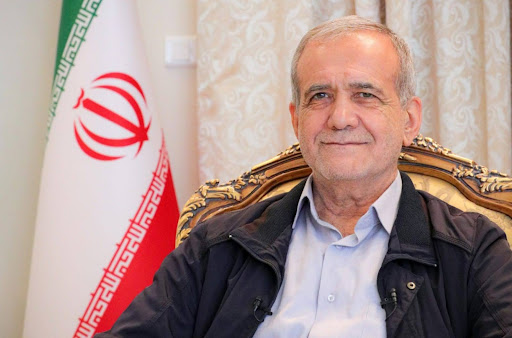
President Masoud Pezeshkian has called for total neutrality from Gulf neighbors to ensure the region’s “development and security.” He urged neighboring states to stop the U.S. and Israel from “running” the war from their territory. This appeal was issued as the regional conflict passed the one-month milestone with no sign of a natural end.
The war has moved beyond a localized struggle, pulling in Saudi Arabia, the UAE, and Kuwait into a cycle of violence. Because these nations host U.S. military installations, they have faced direct retaliatory fire from Iranian missiles and drones. This dynamic has effectively dissolved the traditional safety zones within the Gulf region.
Pezeshkian clarified on X that Iran’s military doctrine remains defensive and purely responsive. He warned, however, that any damage to Iran’s economic centers or infrastructure would be met with a forceful counter-attack. This posture is designed to force a diplomatic recalculation among regional leaders currently hosting foreign troops.
The impact of this rhetoric is substantial, given the Gulf’s role as a critical hub for global trade and energy. The threat of continued strikes on infrastructure has created a climate of uncertainty that affects international markets and shipping lanes. Security is now the prerequisite for any future economic progress in the Middle East.
Pakistan is currently the epicenter of efforts to de-escalate the violence through high-level diplomatic channels. Prime Minister Shehbaz Sharif hosted foreign ministers from across the region in Islamabad on March 30, 2026. The goal is to establish the “trust” that Pezeshkian says is necessary to move toward a peace deal.