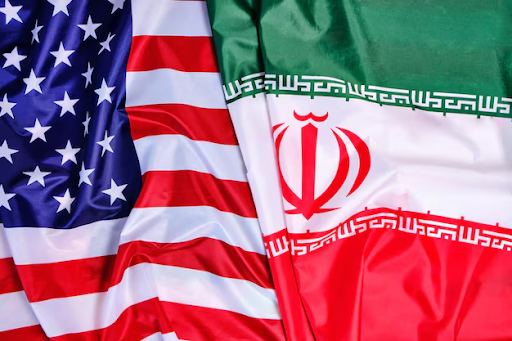
Iranian officials have designated American military forces and bases throughout the Middle East as potential targets following President Trump’s threat to intervene over the ongoing protests. The parliament speaker’s Friday warning came hours after a Supreme Leader adviser cautioned that US interference would spread chaos across the region.
Seven people have died in clashes between security forces and protesters since demonstrations began Sunday over Iran’s economic collapse. What started as shopkeepers in Tehran criticizing government policies has evolved into nationwide unrest reflecting deepening public frustration with currency devaluation and soaring inflation.
Trump’s declaration that Washington would take action if Iranian authorities employ lethal force against peaceful demonstrators has provoked fierce resistance from Tehran’s leadership. An adviser to Supreme Leader Ali Khamenei specifically warned that American involvement would ignite regional instability, raising the prospect of broader conflict.
Economic grievances are at the heart of the protests. The rial has weakened to approximately 1.4 million per US dollar, while official data shows inflation reached 42.5 percent in December. Combined with anemic economic growth, these factors have severely eroded citizens’ purchasing power and created widespread anger directed at authorities for failing to prevent the crisis.
President Pezeshkian’s civilian government has tried to project receptiveness to public anger. Speaking on state television, Pezeshkian used Islamic language to emphasize the moral importance of addressing economic welfare, suggesting that neglecting these concerns carries serious spiritual consequences. Despite this sympathetic tone, he has acknowledged his administration’s limited options. The prosecutor general has attempted to distinguish legitimate economic protests from security threats, validating the former while promising decisive action against the latter.
12