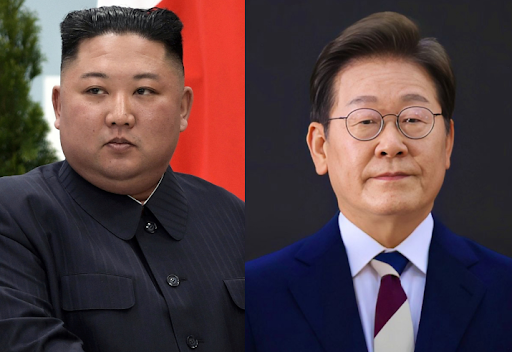
The strategic balance of East Asia is under the microscope following North Korea’s condemnation of a new South Korean submarine deal. On Tuesday, Pyongyang warned that the agreement with the U.S. to build nuclear-powered vessels would trigger a “nuclear domino” effect. This warning comes as South Korea attempts to balance its military modernization with a renewed push for diplomacy.
The deal, announced last week by President Lee Jae Myung, allows South Korea to expand uranium enrichment and spent-fuel reprocessing. These capabilities are key to developing atomic submarines. North Korea’s state media described the move as a “dangerous attempt at confrontation,” predicting it would spark a “hot arms race.” The North views the submarines as a strategic game-changer that threatens its security.
The diplomatic context is equally important. Just one day before the North’s reaction, Seoul proposed military talks to prevent border clashes—the first offer in seven years. President Lee has offered to hold broader discussions without preconditions, signaling a desire to de-escalate tensions. However, the North’s focus on the submarine deal suggests that they view the military imbalance as the primary issue.
The “nuclear domino” rhetoric serves as a warning to the international community. North Korea is suggesting that the South’s actions will lead to a proliferation of nuclear technology, destabilizing the region. This narrative is designed to isolate South Korea and justify the North’s own military programs.
As of now, North Korea has not responded to the peace talks proposal. The silence on the diplomatic front, combined with the loud opposition to the submarine deal, indicates that the strategic competition is intensifying. The region faces a difficult period as the two Koreas navigate the conflicting pressures of armament and engagement.
19
previous post