Global climate talks in Brazil have been overshadowed by the conspicuous absence of the leaders of the world’s three biggest polluters. The decision by the leaders of China, the United States, and India to skip the preliminary gathering in Belem has revealed deep divisions and “reduced participation” at a critical moment.
This lack of unity prompted a sharp rebuke from UN Secretary-General António Guterres. He warned that “deadly negligence” and the influence of “fossil fuel interests” are threatening the global goal of limiting warming to 1.5 degrees Celsius, calling a breach of this limit a “moral failure.”
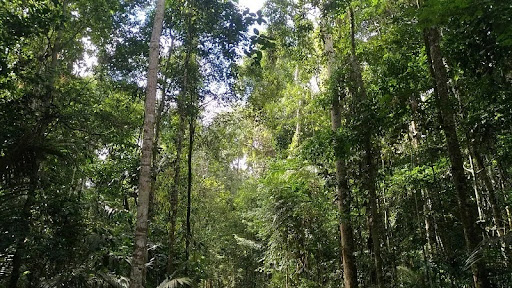
Despite the political fragmentation, the summit’s host, Brazil’s President Lula da Silva, is pushing forward with an ambitious solution. He is seeking support for the “Tropical Forests Forever Facility,” a new fund to pay 74 developing nations to halt deforestation.
Lula’s plan is not about aid; it’s about economics. It would use loans from wealthy nations and investors to make it more profitable for governments to protect their forests than to destroy them.
This innovative approach is already gaining support, with $5.ss billion pledged, including $3 billion from Norway. The fund also allocates 20 percent of its resources to Indigenous communities, recognizing their essential role as forest protectors.
25