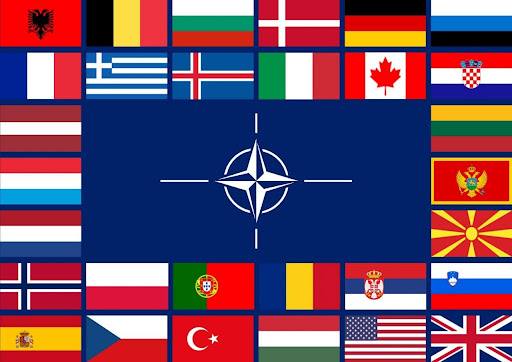
NATO is poised to elevate its defense spending ambitions significantly, moving beyond the current two percent target to a bold five percent of GDP. However, this new benchmark is already facing practical limitations. Spain has successfully negotiated an exemption from the full commitment, and President Donald Trump is advocating for the United States to also be excluded, suggesting the new figure is primarily for its allies.
The five percent goal is broken down into 3.5 percent for core defense spending, a substantial increase from the current target, and 1.5 percent for broader security investments, including infrastructure upgrades, cyber attack countermeasures, and preparing societies for future conflicts. The 3.5 percent for pure defense is a particularly formidable challenge, especially for nations like Spain, which currently dedicates only 1.28 percent of its GDP to its military budget.
Prime Minister Pedro Sánchez of Spain confirmed his country’s exclusion, indicating that the new spending pledge language in NATO’s final summit communique would not refer to “all allies.” This sets a precedent and could embolden other financially strained members, such as Belgium and Canada, to seek similar concessions. Trump’s insistence that the US has “carried its allies for years” further exacerbates the tensions surrounding equitable burden-sharing.
The imperative for increased defense spending is rooted in the perceived existential threat posed by Russia’s war on Ukraine. European leaders are increasingly concerned about Moscow’s aggressive actions, including sabotage and cyberattacks. NATO experts estimate that defending against a Russian attack requires investments of at least three percent of GDP. While a 2032 deadline has been proposed for achieving the new targets, the practicality and enforcement of this timeline remain subjects of ongoing debate.
93