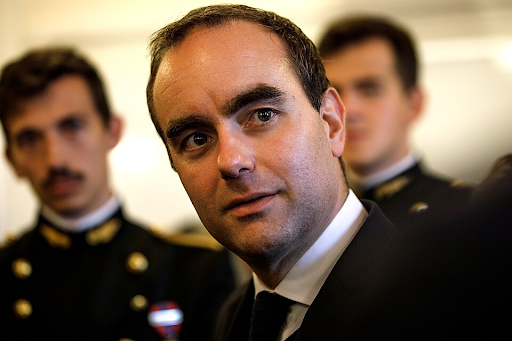
The resignation of Prime Minister Sebastien Lecornu represents a dramatic collision of France’s two great crises: a dysfunctional political system and a perilous economic situation. His government’s collapse was not caused by one or the other, but by the destructive interaction between them.
The economic crisis set the stage. With public debt at an all-time high and a debt-to-GDP ratio that is among the EU’s worst, any French government operates under immense financial pressure. This economic reality has made budgetary issues the central battleground of French politics, a field littered with political casualties like Lecornu’s two predecessors.
The political crisis provided the weapon. France’s fragmented parliament and hyper-partisan atmosphere mean that the government lacks the stable majority needed to address the economic challenges. When Lecornu’s cabinet was announced, the opposition used the backdrop of economic anxiety to attack the new team as unfit to manage the nation’s finances.
The collision occurred when the cabinet, perceived as offering no new solutions to the economic crisis, was rejected by the political system. The opposition’s declaration that the government was “illegitimate” was potent precisely because of the widespread public concern over the economy. The political failure was amplified by the economic stakes.
Lecornu’s resignation is the wreckage from this collision. It leaves France in a worse position on both fronts. The political system is even more chaotic, and the economic problems are left to fester without a credible government to address them. This tale of two crises is far from over, and its next chapter is likely to be just as turbulent.
48