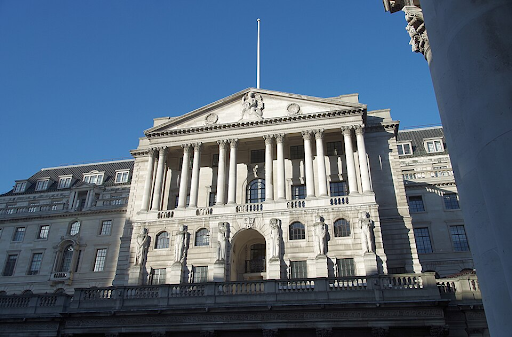
The official data is in, and it brings a sigh of relief: inflation has fallen to an annual rate of 3.2%, down from 3.6% in October. This drop, driven largely by weaker food prices, was the green light the Bank of England needed to cut interest rates to 3.75%. The narrative from the majority of the MPC is that the “hump” of the inflation crisis has passed, and we are now on the other side of the mountain.
However, the celebration is muted by the reality of the vote. The 5-4 split decision indicates that almost half the committee believes the beast of inflation is not yet tamed. While headline numbers are down, underlying pressures—specifically in wages and services—remain strong. The dissenters argue that declaring victory now is premature and dangerous.
The drop to 3.2% is significant, but it is still well above the Bank’s mandated 2% target. The “last mile” of bringing inflation down from 3% to 2% is notoriously the hardest. It requires breaking the psychological expectations of price rises, something that a rate cut might actively undermine. The majority is betting that the momentum is on their side, and that inflation will naturally drift lower in early 2026.
For the public, the easing of food prices is the most tangible benefit. The “hump” metaphor resonates because it matches the lived experience of shocking price spikes followed by a slow stabilization. The rate cut reinforces the feeling that normalcy is returning.
But the split vote is a warning: the path back to 2% is not guaranteed. If global events or domestic wage demands push prices up again, the “hump” could turn into a double-dip. The Bank has made its move, but the inflation beast is watching, ready to pounce if the pressure is released too soon.
29