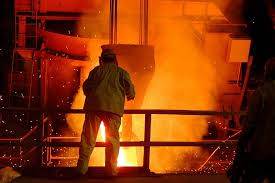
The government’s push for electric arc furnaces (EAFs) at British Steel’s Scunthorpe plant is being presented as a green ticket to a secure future. However, for the thousands of workers at the site’s blast furnaces, it looks more like a redundancy notice.
Business Secretary Peter Kyle has backed the “cleaner electric arc technology,” which is vital for the UK to meet its net-zero carbon targets. The move would secure the future of steel production at the plant, which was rescued from closure by the state in April.
But the text explicitly highlights the fear this has created. The plan “raise[s] doubts about the fate of blast furnaces that employ thousands of people.” Steelworkers are “cautious” after the “experience of Tata Steel, which last year cut 2,500 jobs” in a similar transition.
Unions are now fighting to ensure the plan includes a “just transition.” Alasdair McDiarmid of the Community union also insisted that the UK must “maintain primary steelmaking capacity,” a capability EAFs do not have, as they melt scrap instead of processing iron ore.
The government is now in a bind. It must deliver on its climate goals, but it also faces pressure to protect jobs and a strategic industry. A potential (but costly) hydrogen-based compromise to save primary steelmaking is on the table, but its financial viability is in question.
23