The United States has entered into a high-stakes bargain with Russia, offering the prospect of lucrative energy deals in exchange for progress on peace in Ukraine. This transactional approach to diplomacy is unfolding while a key US ally, India, faces economic punishment for similar trade.
The offer to Russia includes several tempting propositions. The most notable is the potential return of Exxon Mobil to the massive Sakhalin-1 project. Other possibilities include sales of US equipment for sanctioned Russian LNG facilities, representing a significant easing of economic pressure.
The goal of this bargain is to create a compelling reason for Moscow to engage in serious negotiations to end the conflict in Ukraine. It is a classic example of using economic incentives to achieve a major foreign policy objective.
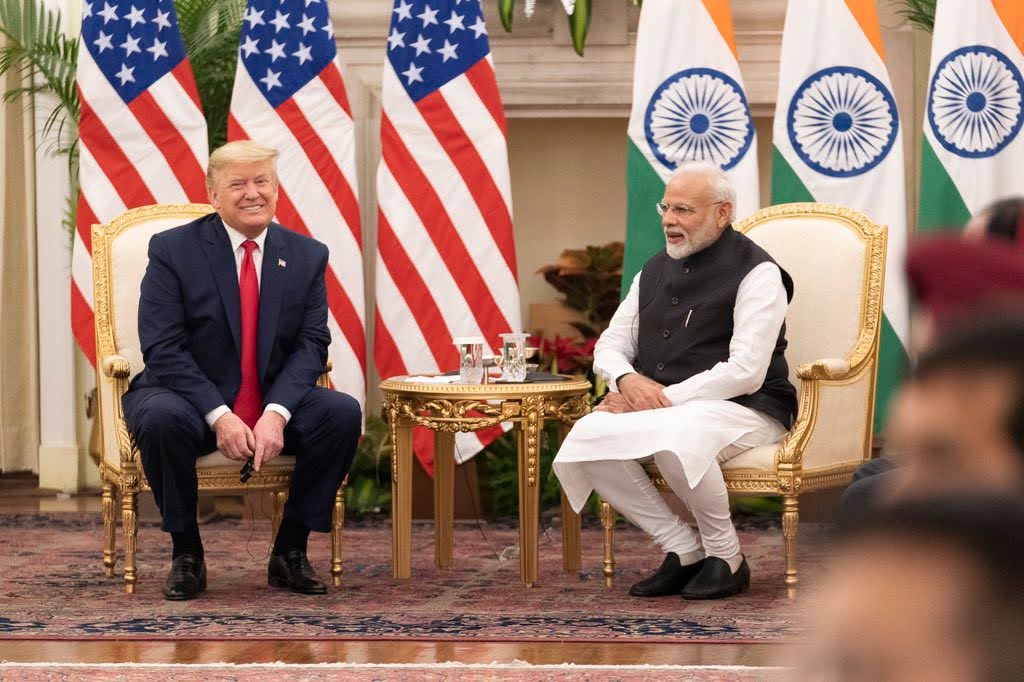
However, this strategy is not without its costs. By offering deals to Russia, the US is simultaneously imposing 50% tariffs on India for its Russian oil trade. This creates a diplomatic imbalance, where an adversary is courted with rewards while an ally is met with penalties, complicating the geopolitical landscape.
47