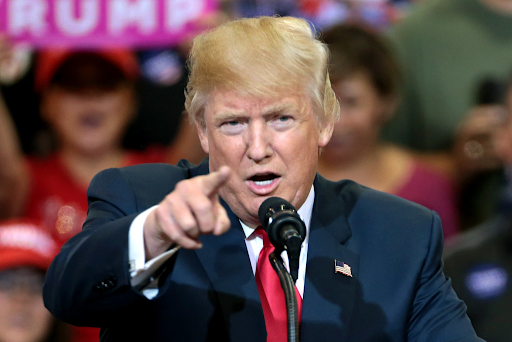
President Donald Trump’s Friday announcement that South Africa will be excluded from the 2026 G20 Summit in Miami has created substantial diplomatic friction. The decision stems from allegations about the treatment of white minority populations, particularly farming communities.
Trump’s social media statement provided extensive detail about what he characterizes as human rights violations against Afrikaners and other descendants of European settlers in South Africa. The President’s characterization included claims of violence and systematic property confiscation. He suggested the South African government has been complicit in these alleged abuses through inaction and denial.
Last weekend’s G20 gathering in Johannesburg attracted significant international participation, with world leaders including Indian Prime Minister Narendra Modi attending the high-profile event. However, the United States maintained a complete absence, with no official delegation present at the proceedings. This boycott represented a stark departure from typical American engagement with multilateral forums.
The diplomatic situation worsened over disputes about the ceremonial transfer of G20 presidency from South Africa to the United States. Trump alleged that South African authorities improperly handled the handover despite the presence of a US Embassy representative at the closing ceremony. The South African government countered by clarifying that they followed standard diplomatic procedures, completing the transfer at their international relations headquarters given the absence of an official US summit delegation.
President Ramaphosa expressed disappointment with the exclusion while maintaining his government’s focus on constructive dialogue with Washington. The specific allegations Trump raised about persecution and genocide of white farmers have been extensively investigated and consistently discredited by the South African government, white community leaders, and independent researchers. These disputed claims nonetheless continue to influence diplomatic discourse and bilateral relations between the two nations.
14
previous post