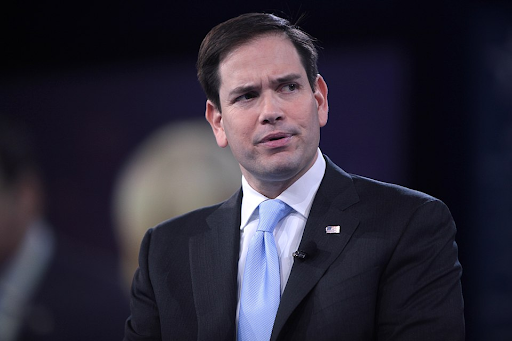
Secretary of State Marco Rubio committed to working collaboratively with Venezuela’s interim government to stabilize the South American nation following the military operation that removed Nicolas Maduro from power. The Wednesday testimony outlined the administration’s approach to post-intervention reconstruction while defending the decision to forcibly depose Venezuela’s former leader.
The former Florida senator emphasized that stabilization represents a complex, long-term undertaking requiring sustained American engagement and cooperation with interim authorities. He described current interactions as productive and suggested that interim leaders understand the benefits of responsiveness to American demands including democratic reforms and economic restructuring.
Rubio outlined economic frameworks including restoration of limited oil sales with strict Treasury oversight through monthly budget approvals. He explained that petroleum revenue would fund essential government services including law enforcement and healthcare, with American officials reviewing submitted budgets before releasing funds. This arrangement ensures Washington maintains substantial influence over governmental operations.
Democrats questioned the wisdom of extensive cooperation with acting president Delcy Rodriguez and other former Maduro regime members. Senator Cory Booker challenged whether working with authoritarian holdovers undermines stated democratic objectives, while Senator Jeanne Shaheen questioned the operation’s strategic value given continuing economic struggles.
The hearing also addressed broader foreign policy concerns including Greenland, NATO tensions, Iran, and China. Rubio sought to reassure allies disturbed by Trump’s aggressive rhetoric while defending the president’s confrontational diplomatic style. He maintained that fundamental American commitments remain intact despite contentious debates about alliance burden-sharing and defense spending.
6