Japan’s tourism sector was experiencing a robust recovery from pandemic-related restrictions, with China on track to reclaim its pre-pandemic position as the country’s largest source of international visitors before the current diplomatic crisis over Taiwan interrupted this positive trajectory. With over 8 million Chinese visitors in the first ten months of this year, China was poised to displace South Korea and return to the dominant position it held before 2020, when travel restrictions fundamentally altered international tourism patterns.
This recovery represented a significant bright spot in Japan’s economic performance, with tourism-dependent businesses throughout the country benefiting from the return of international visitors. Small business owners had invested in catering to Chinese preferences, traditional cultural experiences had expanded capacity to serve Chinese tourists, and the hospitality sector had rebuilt operations around expectations of continued growth in Chinese arrivals. The sudden interruption of this recovery through travel advisories creates not just immediate losses but also broader uncertainty about the reliability of the Chinese market.
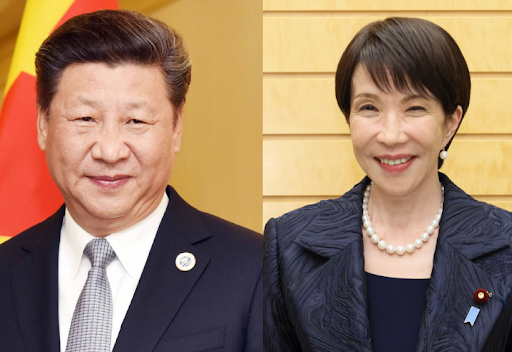
The crisis stems from Prime Minister Sanae Takaichi’s statements about potential Japanese military involvement if China takes armed action against Taiwan. Following these remarks, China’s embassy in Tokyo issued travel advisories warning citizens about alleged safety concerns, effectively implementing an informal tourism boycott. Economist Takahide Kiuchi projects that reduced tourism could cost Japan approximately $11.5 billion and reduce annual economic growth by 0.3 percentage points, representing a significant setback to recovery momentum.
The 2012 precedent demonstrates how diplomatic tensions can create lasting disruptions to tourism patterns. During that territorial dispute over uninhabited islands, Chinese visitor numbers fell by approximately 25% and recovery required extended periods even after diplomatic tensions began to ease. The current situation may prove even more severe given that Taiwan represents a more fundamental issue for China than the disputed islands, and the broader geopolitical context has become more contentious over the past decade.
For Japanese tourism businesses, the crisis creates strategic dilemmas about future investments and market positioning. The interruption of pre-pandemic recovery trajectories forces reassessment of assumptions about market reliability and the wisdom of concentrating resources on serving Chinese visitors. International relations experts note that domestic political constraints in both countries make de-escalation challenging, with Professor Liu Jiangyong indicating China will implement countermeasures gradually and Sheila A. Smith observing that leaders cannot afford to appear weak. Historical patterns suggest resolution may require leadership changes, potentially leaving the tourism sector facing prolonged uncertainty about when or whether the recovery trajectory interrupted by the Taiwan crisis can resume.
23