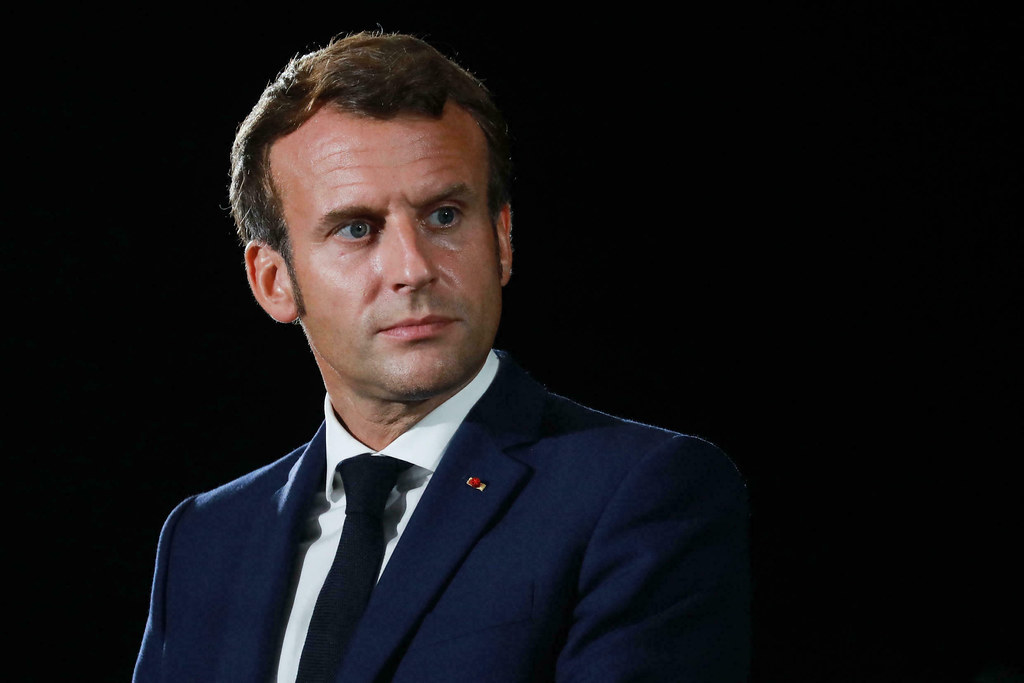
After decades of official silence, France has broken its silence on atrocities committed during its colonial rule in Cameroon, with President Emmanuel Macron acknowledging his country’s role in the violence. However, this historic admission was not accompanied by a formal apology or an offer of reparations, a point of contention for many.
The acknowledgment was based on the exhaustive work of a joint historical commission, which investigated the period between 1945 and 1971. The commission’s report confirmed that French forces waged a brutal war against independence movements, a conflict that continued with French support even after Cameroon became a sovereign nation in 1960.
This violent chapter, which claimed tens of thousands of lives, has long been a painful and suppressed part of Cameroonian history. Macron’s letter to President Paul Biya is the most direct admission of French culpability by a head of state, representing a victory for those who have long campaigned for historical truth.
Critics and activists argue that acknowledgment without apology or repair is insufficient. The focus now turns to what tangible steps will follow. Cameroonian singer Blick Bassy, a commission member, has called for practical measures, including addressing historical land issues and integrating this history into French schools to foster genuine understanding.
56