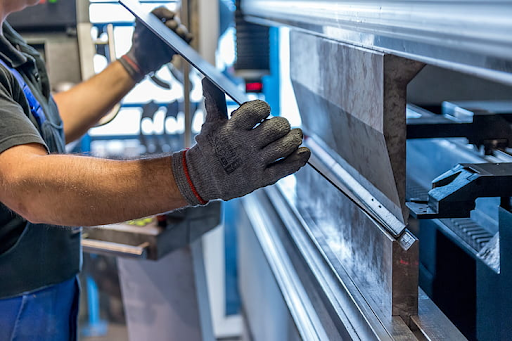
The long shadow of US steel tariffs is now cast over the entire European industrial landscape, extending far beyond the mills and into factories producing everything from heavy machinery to household goods. The expansion of duties to “derivative” products is creating a pervasive sense of dread and threatening the health of the continent’s interconnected economy.
This expansion has been swift and broad. A list of 407 product categories, including wind turbines, bulldozers, and furniture, was added in August, transforming the nature of the trade dispute. With another review underway, that shadow is threatening to lengthen even further.
The primary effect of this policy is deep uncertainty. European business leaders have described the situation as “turbulent,” lamenting the inability to plan when the rules of trade can be arbitrarily changed. This instability chills investment and complicates every aspect of production and export.
The practical difficulties created by the policy are immense. The challenge of documenting the precise metal content of complex products has led to a compliance crisis. Some firms, as highlighted by German MEP Bernd Lange, are now overpaying on tariffs as a form of insurance against the draconian 200% fines for errors.
In response, a unified call for protection is rising from across the European industrial landscape. From trade unions in the UK to steel associations in Brussels, the message is the same: a strong defense is needed to prevent the long shadow of these tariffs from causing irreparable harm to the continent’s economic foundation.
40