President Trump’s bold declaration that US oil companies are ready to invest billions in Venezuela has generated conspicuously little enthusiasm from the energy industry. Despite Trump’s confident descriptions of corporate involvement in Venezuelan oil reconstruction, major firms are maintaining careful silence or offering vague statements.
At Mar-a-Lago, Trump outlined how America’s largest oil companies would invest heavily in Venezuela to repair deteriorated infrastructure and boost production from massive reserves. He claimed these firms would be reimbursed for their efforts and would help restore Venezuela’s position in international oil markets, though he provided limited details on financial mechanisms.
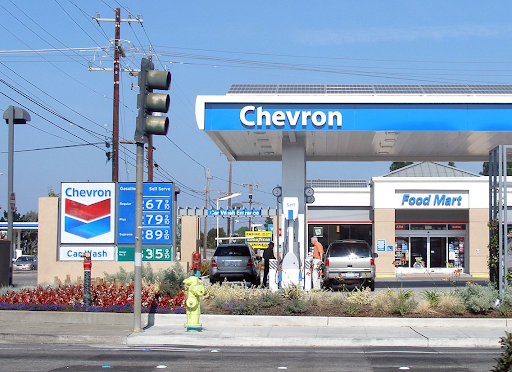
The energy sector’s response has been notably cautious. Chevron focused its statement on employee safety and compliance without mentioning investment plans. ExxonMobil completely avoided commenting on Venezuelan prospects. ConocoPhillips stated that discussing future Venezuelan business activities would be premature, suggesting no immediate plans exist to confirm Trump’s vision.
Venezuela offers both massive potential and substantial risks. The country holds roughly 17% of global oil reserves but has experienced production collapse from 3.5 million barrels daily in the 1970s to approximately 1 million today. Industry analysts estimate that restoring even 2 million barrels daily by the early 2030s would require around $110 billion in investment.
The nationalization legacy looms large over potential involvement. Venezuela’s 2007 seizure of private operations triggered legal battles resulting in multibillion-dollar awards for ExxonMobil and ConocoPhillips that remain largely unpaid. Industry observers note that companies will demand strong guarantees before investing heavily in a country that previously nationalized their assets, especially given current oil market conditions favoring selective approaches.
23