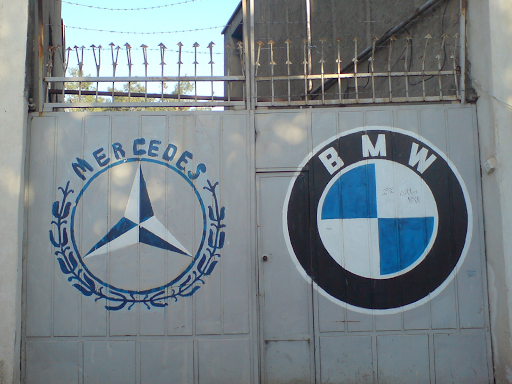
The Motability scheme is implementing a far-reaching strategy change that will reshape its vehicle procurement approach for disabled drivers. Premium automobiles from manufacturers such as BMW and Mercedes-Benz will disappear from the program’s offerings, while a new target aims for 50% of vehicles to come from British factories within the next decade. This represents a fundamental shift in priorities.
The Chancellor has endorsed the changes as supportive of employment in well-compensated manufacturing positions. The scheme provides essential assistance to disabled drivers dealing with the elevated costs of maintaining mobility and independence. Operating through direct vehicle purchases and subsequent leasing arrangements to qualified individuals, the program has been crucial for decades. Many vehicles undergo specialized modifications to ensure wheelchair accessibility.
The luxury vehicles being eliminated composed roughly 5% of the scheme’s extensive fleet, numbering approximately 40,000 among 800,000 total vehicles. Participants who selected these premium options paid extra from personal funds, ensuring no additional burden on public resources. The decision to remove them comes amid broader discussions about the scheme’s tax benefits and their potential modification.
Motability Operations leadership has described the pivot as enabling better concentration on vehicles meeting disabled people’s genuine needs while exemplifying responsible value. The organization believes this approach will encourage new manufacturing investments in Britain. The scale of the commitment is substantial given the program’s size and annual vehicle requirements.
Currently leasing about 300,000 vehicles per year, the scheme would need to obtain approximately 150,000 British-built vehicles annually by 2035 to meet its target. This represents a dramatic increase from the 22,000 sourced last year. For a British automotive industry that has struggled with declining output and facility closures, with production potentially dropping below 700,000 cars this year, this represents meaningful support. Manufacturers with British operations, including Nissan, Toyota, and Mini, could significantly expand production. Nissan has confirmed its Motability vehicle orders will double. The commitment could provide crucial stability for thousands of workers and help reverse the industry’s recent decline.
20