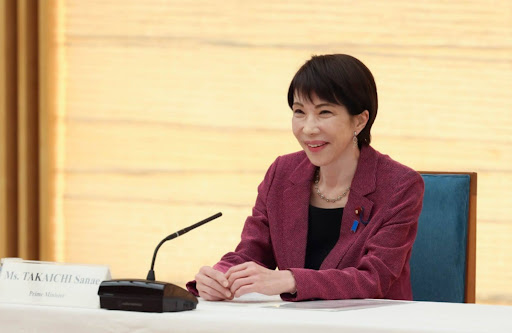
Japan is on its highest energy alert in decades, with Prime Minister Sanae Takaichi announcing the country will begin its biggest-ever oil release from strategic reserves this Thursday. Around 80 million barrels of stockpiled oil — equivalent to 45 days of Japan’s entire domestic demand — will be made available to domestic refiners. The decision comes as fears mount that the US-Israel war on Iran could indefinitely block tanker traffic through the Strait of Hormuz.
Japan is more exposed than most to Middle East supply disruptions, importing over 90% of its crude from the region with almost no domestic alternative. The Strait of Hormuz handles a significant share of global oil traffic, making its stability crucial to Japan’s economic functioning. This unprecedented release signals that the government believes the threat is both real and potentially prolonged.
The release is 1.8 times the size of Japan’s largest previous emergency deployment, which took place after the 2011 Fukushima nuclear and natural disasters. Japan’s current strategic reserves total approximately 470 million barrels — covering 254 days of domestic consumption. The government also approved the release of 15 days of private-sector reserves last week as an initial response.
Gasoline prices had climbed to an all-time high of ¥190.8 per litre before the government introduced fuel subsidies capping them at roughly ¥170. Social media has been awash with unverified claims about toilet paper shortages, which the trade ministry and the Japan Household Paper Industry Association quickly disputed. The association noted that 97% of Japanese toilet paper is produced domestically from recycled materials, with no exposure to Middle East supply disruptions.
Japan has maintained a firm diplomatic stance, with Takaichi rejecting Trump’s call to deploy Japanese naval forces to the Strait of Hormuz during their Washington meeting. Tokyo will instead prioritize diplomatic coordination with international partners to support peace and stability in the Middle East. Japan remains determined to protect its national interests and energy security through strategic reserves management and active diplomacy.