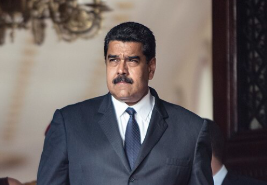
Spanish Prime Minister Pedro Sánchez has called on all actors involved in the Venezuelan crisis to prioritize the civilian population and work toward a fair, dialogue-based transition. His statement following Saturday’s military operation emphasizes humanitarian concerns amid the capture of President Nicolás Maduro by United States forces.
Sánchez stressed that while Spain never recognized Maduro’s regime, neither will it recognize an intervention that violates international law and pushes the region toward uncertainty and belligerence. He called for respect of the UN Charter and emphasized that lasting political solutions must come through dialogue rather than military force.
The nuanced Spanish position reflects the complexity many European governments face in responding to the operation—acknowledging concerns about Maduro’s authoritarian rule while rejecting military intervention as a solution. European Commission President Ursula von der Leyen and leaders from France and Denmark have similarly called for respect of international legal norms.
US Attorney General Pam Bondi has announced that Maduro and his wife Cilia Flores will face drug trafficking charges in New York, with Secretary of State Marco Rubio indicating charges relate to narcotics operations. President Trump confirmed the couple is aboard a ship being transported to the United States for prosecution.
The international response has been characterized by widespread condemnation, with UN Secretary General António Guterres warning of dangerous precedents. Latin American reactions have split along ideological lines, with conservative governments offering support while leftist administrations condemned the intervention. Colombia has mobilized its armed forces in anticipation of potential refugee flows, and analysts question whether external military force can achieve democratic transformation.
116