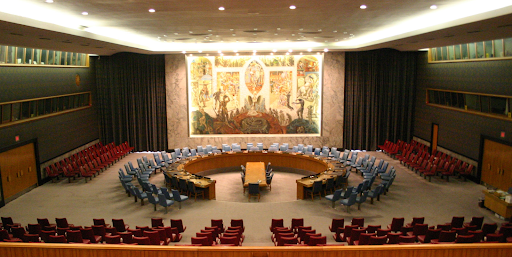
US Ambassador Mike Waltz on Monday described the new UN resolution on Gaza as a plan where “rockets will give way to olive branches,” but Hamas, the group ruling the enclave, immediately rejected it as “international guardianship.” This stark difference in perspective captures the deep divisions surrounding the US-drafted resolution, which passed the Security Council despite Russian and Chinese abstentions. The resolution endorses President Donald Trump’s 20-point plan, authorizing a new international force and a “Board of Peace” chaired by Trump.
The “olive branches” Waltz spoke of refer to the resolution’s “possible pathway for Palestinian self-determination” and a new “political horizon.” The plan, he argued, “dismantles Hamas’ grip” and allows Gaza to rise “free from terror’s shadow, prosperous and secure.” President Trump echoed this, hailing the vote as “a moment of true Historic proportion” and promising more details on his new board soon.
Hamas, however, sees the plan as a threat. The “guardianship” it refers to is the “international stabilization force” (ISF) that the resolution authorizes to completely demilitarize Gaza. In its statement, Hamas declared it “will not disarm” and that its fight is “legitimate resistance,” a direct challenge to the ISF’s mission.
This fundamental disagreement is mirrored by a lack of consensus at the UN. Russia and China, both permanent members, abstained. Russian Ambassador Vasily Nebenzya criticized the council for “giving its blessing” to a US initiative “on the basis of Washington’s promises” and ceding “complete control” to the US-led bodies. He, along with China’s ambassador, complained that the UN itself has no role in the plan.
The resolution did find a key supporter in the Palestinian Authority, which welcomed the plan. This endorsement, diplomats say, was crucial in preventing a Russian veto. However, the PA’s support is likely tied to the “pathway to… statehood” clause, the very part of the resolution that has drawn public opposition from Israeli Prime Minister Benjamin Netanyahu, highlighting the plan’s fragile and contradictory nature.
39