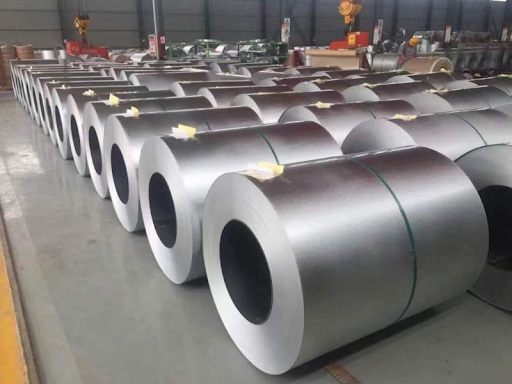
Global exporters are anxiously “steeling themselves” as they await a December or January decision from the US Commerce Department. At stake is a new list of 700 products, proposed by US firms, to be hit with “steel derivative” tariffs.
The requests come from a broad swath of US industry, including bicycle manufacturers, cookware producers, and makers of industrial machinery. Their core complaint, often aimed at Chinese competitors, is that they are being “flooded” by low-cost imports that don’t face the same steel tariffs that domestic firms pay on raw materials.
This is the second time in three months such a list has been proposed. The first, in August, saw 407 items added with a near-100% success rate for the applicants. This precedent has fueled fears that this new, larger list will also be approved.
For European allies like the UK and EU, this policy is a major blow. They had already agreed to new trade frameworks with set baseline tariffs. This “rolling and growing” list of new, additive tariffs is seen as “making a mockery” of those agreements.
Experts are calling the US policy “expansionist” and “liberal” in its approvals. The move has injected significant uncertainty into global trade, leaving allies bracing for another round of costly duties.
59