While Donald Trump’s “Compact for Academic Excellence” was sent to only nine universities, its menacing implications ripple out to every institution of higher education in the United States. The document contains a thinly veiled threat to all: conform to this new model or risk being financially ostracized by the federal government.
The key phrase lies in the compact’s fine print, which states that universities are “free to develop models and values other than those” in the memo, but only if they give up “all federal funding streams.” This transforms the proposal from an offer to a select few into a national warning. It establishes a new, de facto standard for federal eligibility, where ideological alignment is paramount.
This creates a climate of preemptive fear. A small college in the Midwest, heavily reliant on federal student aid and research grants, will now have to consider whether its diversity initiatives or curriculum could make it a future target. The pressure to self-regulate—to avoid controversy and adopt policies seen as “safe”—will be immense, even without a direct ultimatum.
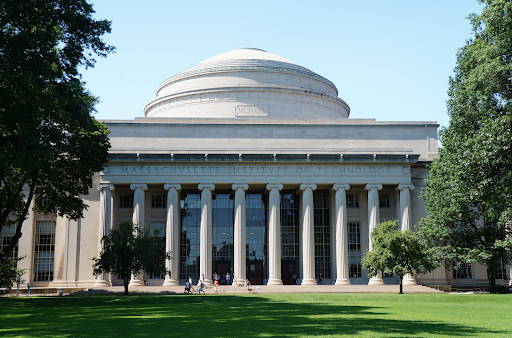
This ripple effect could lead to a gradual, nationwide shift in academic priorities without the administration having to target every school individually. It’s a strategy of intimidation by example. If a prestigious institution like MIT or Vanderbilt were to bow to the pressure, the message to smaller, less powerful institutions would be undeniable: resistance is futile.
University associations and advocacy groups are sounding the alarm precisely because they understand this broader threat. The fight is not just about the autonomy of nine elite schools; it’s about defending the principle of academic freedom for the entire sector. The compact, they argue, is not just a document—it’s a declaration of intent to bring all of American higher education under political control.
55