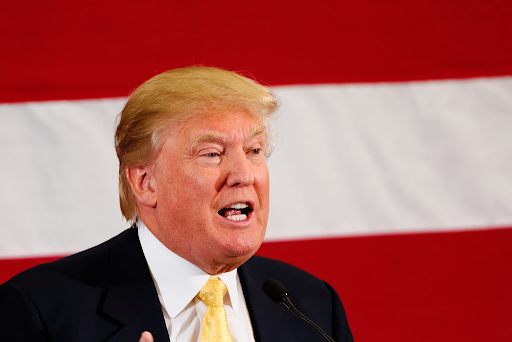
With major elections on the horizon, President Donald Trump’s proclamation of a $100,000 H-1B visa fee is being widely seen as a calculated political move designed to energize his base. The policy’s “America First” messaging and its direct confrontation with the tech industry play into key themes of his political platform.
The timing of the announcement is significant. By rolling out a policy that promises to protect American jobs from foreign competition, the administration can galvanize voters who feel economically marginalized. The simple, powerful slogan of “Hire Americans,” championed by Commerce Secretary Howard Lutnick, is an effective rallying cry that cuts through the complexities of immigration policy.
This move also allows the administration to cast itself as a champion of the working class against powerful corporate interests. The tech industry, with its immense wealth and perceived liberal leanings, makes for an ideal political foil. By imposing a punitive fee on these companies, Trump can reinforce his image as a leader who is unafraid to take on the “elite.”
The questionable legality of the fee may even be part of the political strategy. If the policy is inevitably challenged and blocked by the courts, the administration can then campaign against a “liberal activist judiciary” that it claims is thwarting the will of the people and standing in the way of protecting American jobs. This creates a “win-win” political scenario, regardless of the policy’s actual implementation.
For many observers, the $100,000 fee is therefore less about economic reform and more about political theater. It’s a bold proclamation that generates headlines, excites supporters, and creates a clear dividing line with opponents, making it a potent tool in a highly charged political environment.
52