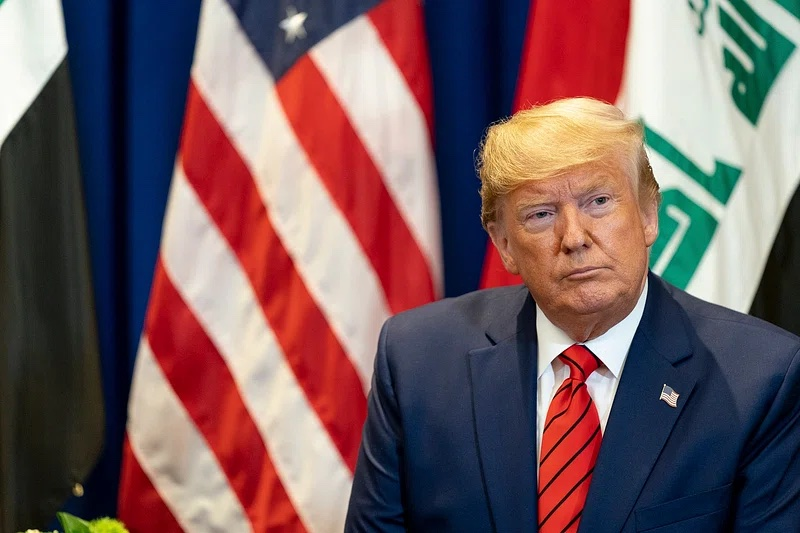
Donald Trump’s strategy of imposing unilateral tariffs on a global scale has been ruled an unlawful overreach by a U.S. appeals court. The decision finds that the former president exceeded his legal authority when he used the International Emergency Economic Powers Act (IEEPA) to tax imports.
The court’s ruling states that the IEEPA, a 1977 law, was intended for specific foreign policy emergencies and does not grant the president a free hand to set tariff rates. The judges noted that if Congress had intended to cede this fundamental power, it would have done so explicitly, which it did not in the text of the IEEPA.
This verdict could lead to the unraveling of numerous informal trade pacts. These were often negotiated quickly to stave off the threat of escalating IEEPA tariffs. With that threat now legally neutralized, trading partners may seek to scrap or renegotiate the deals.
An appeal to the Supreme Court is expected, where the constitutional limits of executive authority will be debated. The ruling also initiates a process to determine if the U.S. government must repay billions of dollars to importers who paid the duties, adding a significant financial dimension to the legal battle.
43